How to Fix Musty Basement Carpet: A Practical Guide for Homeowners
If your basement smells like a damp cellar no matter how often you clean, the carpet is usually the culprit. That musty odor is not just unpleasant, it is a sign that carpet mold has taken hold. Basements are naturally prone to moisture, and when carpet sits on a concrete slab that stays cool and damp, mold finds a perfect home. Ignoring the smell will not make it go away. The only real solution is to fix musty basement carpet at the source, and that means dealing with the moisture problem first.
I have seen this scenario play out in dozens of homes over the years. A homeowner notices a faint smell, maybe after a few weeks of rain. They try a carpet cleaner or an air freshener, but the odor returns stronger. Eventually they lift a corner of the carpet and find black spots on the pad or the concrete underneath. That is the moment when a simple cleaning job turns into a mold remediation project. The good news is that with the right approach, you can fix musty basement carpet without tearing out the whole floor, though sometimes that is the safer route.
Why Basement Carpet Gets Musty in the First Place
Basement moisture comes from several directions. The most common source is hydrostatic pressure, groundwater pushing against the foundation walls and floor slab. If the soil around your house is saturated, water seeps through tiny cracks in the concrete or up through the slab itself. That moisture evaporates into the air or gets trapped under the carpet. A vapor barrier between the concrete and the carpet can help, but many basements were built without one. Over time, the carpet padding acts like a sponge, holding moisture against the fibers and creating an ideal environment for carpet mold to grow.
Other contributors include leaky pipes, a dryer vent that empties into the basement without proper exhaust, or a crawl space that vents humid air into the living area. Even a small foundation crack can let in enough water to keep the carpet damp for weeks. The key is to identify the source before you try to treat the carpet itself. Otherwise you will be fighting the same battle every few months.
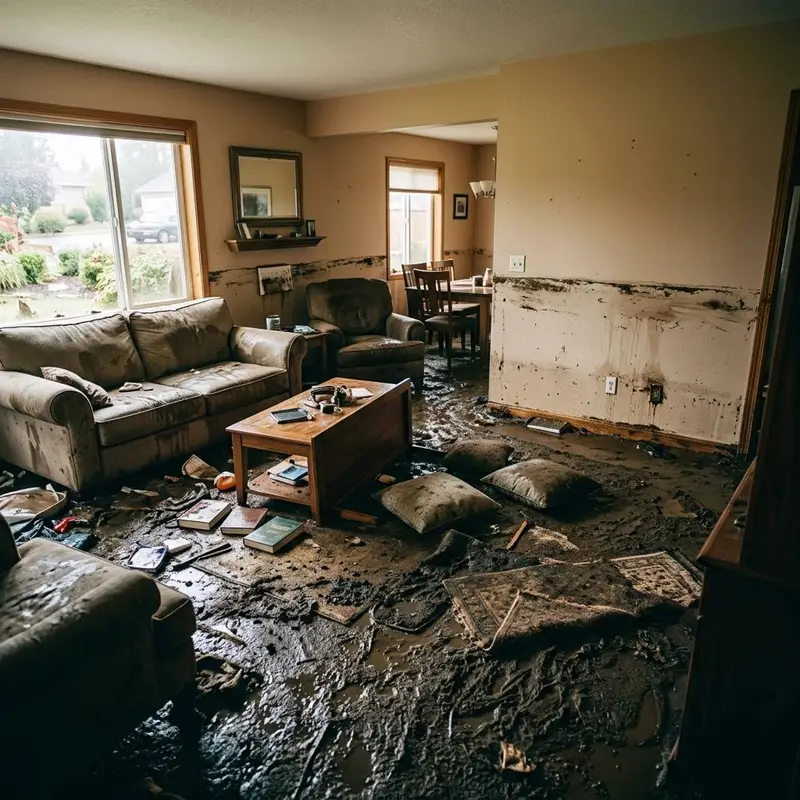
Step One: Stop the Moisture at Its Source
Before you buy any cleaning products or mold sprays, you need to reduce basement moisture. A dehumidifier is your first line of defense. Set it to keep relative humidity below 50 percent. In a damp basement, you may need a large-capacity unit that can handle continuous drainage. Running a dehumidifier alone will not kill existing mold, but it will stop new growth and make the space feel less clammy.
If you have visible water intrusion, address that directly. Check for a leaky pipe under the sink or behind the washing machine. Look at the foundation walls for cracks. Sometimes the issue is outside, poor grading that lets rainwater pool against the foundation. In severe cases, a sump pump in the crawl space or basement floor can keep groundwater from rising. For persistent dampness under the slab, consider installing a vapor barrier over the concrete before you lay new carpet. This is a job that often requires a professional inspection to determine the best solution.
Step Two: Assess the Carpet and Decide Whether to Clean or Replace
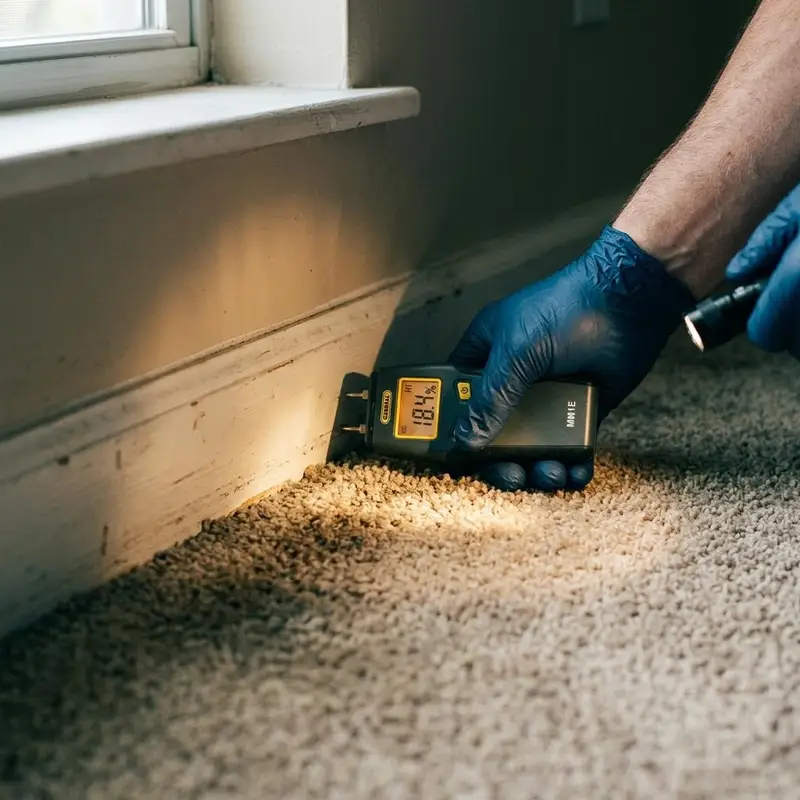
Not every musty carpet needs to be thrown out. If the mold growth is surface-level and the padding underneath is dry, you may be able to clean it effectively. But if the carpet has been wet for more than 48 hours, or if you can see mold spreading across the backing, replacement is usually the safer call. Mold can penetrate deep into the fibers and padding, and no amount of cleaning will fully remove it once it has taken hold.
To test the extent of the problem, use a mold testing kit from a hardware store or hire a professional inspection. A simple tape lift test can tell you whether the spores are active. If the test comes back positive for toxic strains like Stachybotrys (black mold), do not attempt to clean it yourself. Call a mold remediation specialist who can remove the carpet safely and treat the subfloor.
Step Three: Clean the Carpet Thoroughly If You Keep It
If you decide the carpet is salvageable, start by vacuuming with a HEPA vacuum to capture loose spores. Standard vacuum bags release mold particles back into the air. A HEPA filter traps them, so you are not just spreading the problem. After vacuuming, apply an antimicrobial treatment such as Concrobium or Benefect. These products kill mold on contact and leave a residue that resists future growth. Spray the carpet lightly, let it dwell for the recommended time, then extract the moisture with a wet vacuum.
For stubborn mold that has stained the fibers, you may need a stronger product like RMR-141 or EC3 Mold Solution. These are professional-grade cleaners that penetrate deeper into the carpet pile. Follow the label instructions carefully, some require rinsing afterward to avoid residue that can attract dirt. Always work in a well-ventilated area and wear a mask and gloves. Mold spores are airborne and can cause respiratory irritation even if you are not allergic.
Step Four: Prevent Future Problems
Once you fix musty basement carpet, you want to keep it that way. The most effective long-term solution is encapsulation, applying a sealant to the concrete floor before reinstalling carpet or a new floor covering. Encapsulation locks in any residual moisture and creates a barrier between the concrete and the carpet padding. This is especially important if you live in an area with high water tables or frequent heavy rain.
Beyond encapsulation, keep the basement ventilated. Open windows on dry days or run an exhaust fan. Make sure the dryer vent is routed outside, not into the basement. A dehumidifier should run continuously during humid months, with the drain line connected to a floor drain or sump pump. If you have a crawl space, check that it has a vapor barrier on the ground and adequate airflow. A damp crawl space can feed moisture into the basement through the floor joists.
When to Call a Professional
Some situations are beyond a DIY fix. If the carpet mold covers more than a few square feet, or if the basement has a history of flooding, a professional inspection is worth the cost. A mold remediation specialist can test the air quality, identify hidden moisture sources, and recommend the right combination of cleaning, removal, and prevention. They have access to commercial-grade equipment like truck-mounted extraction units and industrial dehumidifiers that dry a space in hours instead of days.
They can also handle the disposal of contaminated carpet and padding safely. Moldy materials should be double-bagged and sealed before going to the landfill. It is not a job you want to do with household trash bags and an open garage door.
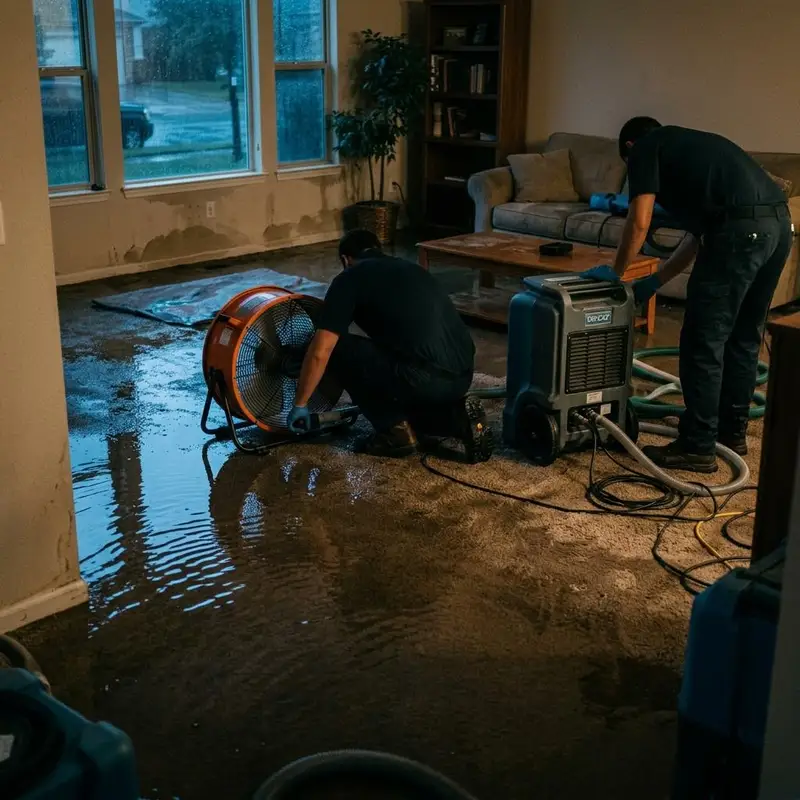
If you decide to handle the cleaning yourself, be honest about your limits. I have seen homeowners scrub the same spot for hours only to have the smell return a week later because they never addressed the leaky pipe behind the wall. The mold was growing on the drywall, not just the carpet. You cannot fix musty basement carpet in isolation if the underlying moisture problem is still active.
Final Thoughts
Musty basement carpet is a symptom, not the root cause. Treat the moisture, clean or remove the mold, and then take steps to keep the space dry. It takes some effort upfront, but the payoff is a basement that smells fresh and stays healthy. Whether you use a dehumidifier, a sump pump, or a vapor barrier, the goal is the same: keep the carpet dry enough that mold cannot take hold. And if you are ever in doubt, a professional inspection can give you the clarity you need to make the right call.